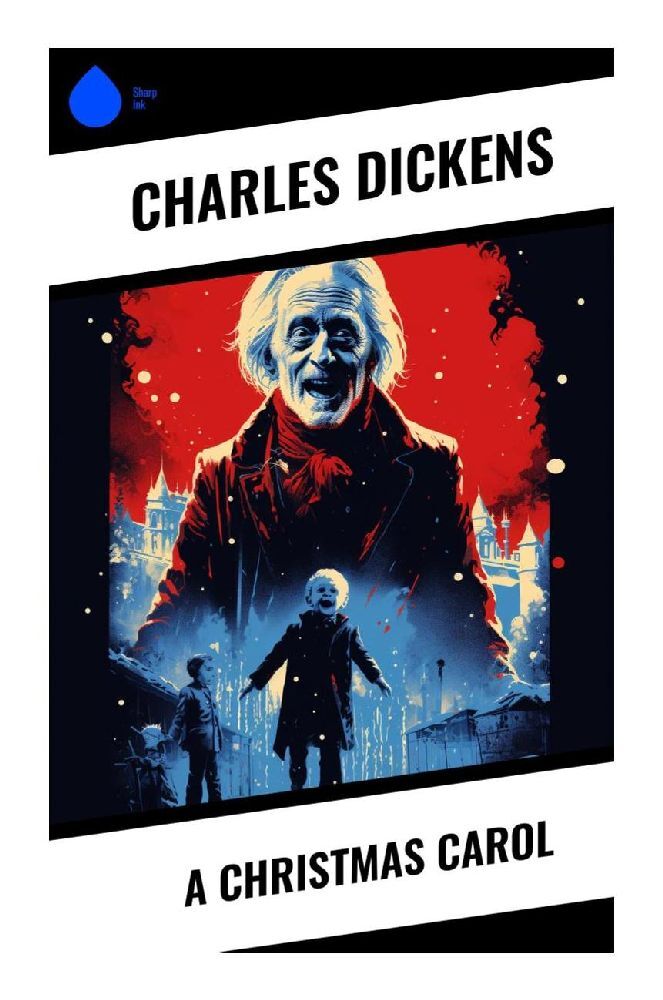
A Christmas Carol is Dickens's compact moral fable of avarice, memory, and social redemption, centered on Ebenezer Scrooge's nocturnal visitation by three spirits. Blending Gothic atmosphere, comic caricature, sentimental realism, and Christian-inflected allegory, the novella transforms the Victorian Christmas tale into a critique of economic hardness. Its vivid scenes of London, from counting-house gloom to Cratchit domestic warmth, place private conscience within the broader context of industrial poverty and social responsibility. Charles Dickens wrote the book in 1843, when his concern with child labor, urban deprivation, and the failures of public charity was especially acute. Having known financial insecurity in childhood and humiliating factory work after his father's imprisonment for debt, Dickens understood both the emotional and material consequences of poverty. The novella's urgency reflects his lifelong belief that fiction could awaken sympathy where institutions had failed. This book is recommended to readers seeking a work that is at once accessible, theatrically memorable, and ethically profound. Far more than a seasonal entertainment, A Christmas Carol remains a searching study of moral imagination: it asks how memory, compassion, and communal obligation can remake a life.