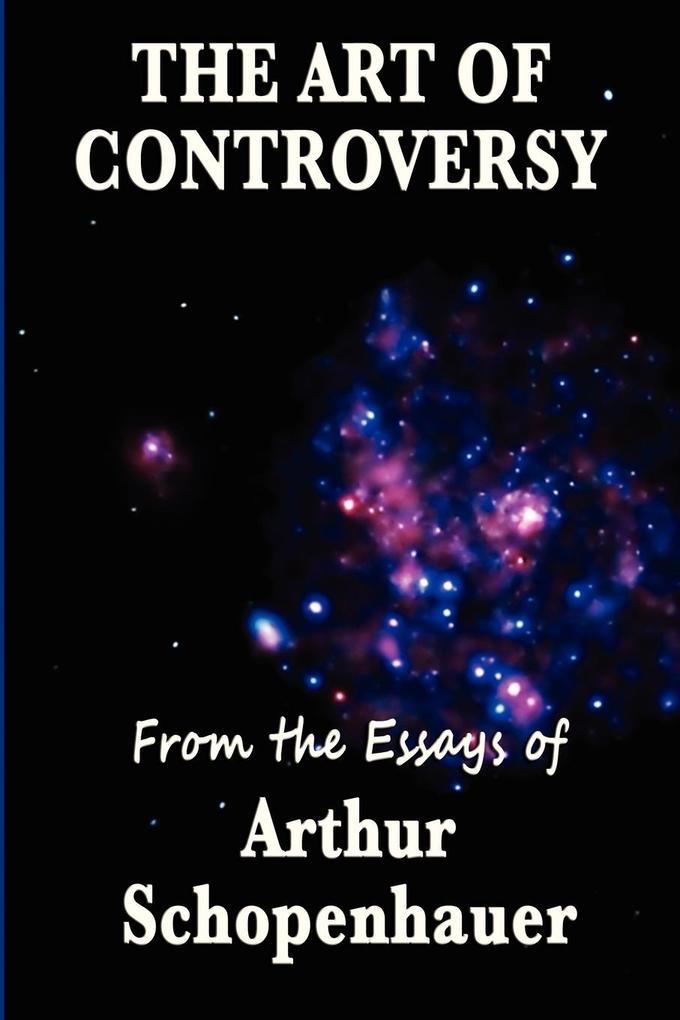
A concise exposition of argumentative method, examining the strategies by which disputes are conducted and often resolved irrespective of truth. In The Art of Controversy (also known as Eristic Dialectic), Arthur Schopenhauer sets out a series of stratagems employed in debate, not to establish what is correct, but to secure the appearance of victory. The work proceeds through a catalogue of techniques by which interlocutors may defend a position, deflect objection, or undermine an opponent, often by means that operate alongside or apart from logical validity.
Schopenhauer's treatment is observational rather than prescriptive, presenting argument as a human activity shaped by will, vanity, and the desire to prevail. His analysis reflects a broader philosophical concern with the limits of reason in practical exchange, where persuasion frequently diverges from truth. The text's brevity and clarity have ensured its continued circulation, both as a study of rhetoric and as a cautionary account of disputation.
This edition presents the work in its standard English form, preserving its structure as a sequence of argumentative strategies and situating it within Schopenhauer's wider philosophical perspective on reason and human conduct.